
45 Lent Bible Verses To Help You Reflect and Grow Closer to God Your
Lent is a sacred season that invites us to pause, reflect, and draw nearer to God. For 40 days, Christians around the world enter a time of prayer, fasting, and repentance as we prepare our hearts for Easter. During this meaningful journey, Lent Bible verses become our guide and comfort. If you want to read more Bible quotes then must visit our page.
Lent Bible Verses has the power to transform our hearts. When we read Bible verses for Lent, we find strength for the journey ahead. These verses remind us of Jesus Christ and His incredible sacrifice. They help us understand what true fasting and prayer mean. They give us hope when we feel weak.
“Lent is an amazing time to reflect and get closer to God. One of my favorite Lent verses is Psalm 27:14. It helps me to focus on the incredible love Jesus has shown me.” – Philippa Hanna, Christian singer-songwriter
these Lent Bible Verses be your companion through this season. Take your time with each one. Let the words sink deep into your heart. Allow the Holy Spirit to speak to you through God’s Word.
What is Lent? Understanding This Sacred Season

Many people ask, “What exactly is Lent?” This question deserves a clear answer. Lent is the 40-day period before Easter (not counting Sundays). It’s a time when Christians focus on spiritual growth and reflection.
Lent Bible Verses the word “Lent” comes from an old English word meaning “spring.” Just as spring brings new life to nature, Lent brings renewal of faith to our souls. It’s a season for getting rid of old habits and making room for God to work in our lives.
The Biblical Foundation of Lent

Lent Bible verses point us back to one important event: Jesus’ 40 days in the wilderness. After His baptism, Jesus went into the desert to fast and pray. He faced temptation from Satan but stayed faithful to God.
Matthew 4:1-11 tells this story:
- “Then Jesus was led by the Spirit into the wilderness to be tempted by the devil. After fasting forty days and forty nights, he was hungry. The tempter came to him and said, ‘If you are the Son of God, tell these stones to become bread.’ Jesus answered, ‘It is written: Man shall not live on bread alone, but on every word that comes from the mouth of God.’ Then the devil took him to the holy city and had him stand on the highest point of the temple. ‘If you are the Son of God,’ he said, ‘throw yourself down. For it is written:
He will command his angels concerning you, and they will lift you up in their hands, so that you will not strike your foot against a stone.’ Jesus answered him, ‘It is also written: Do not put the Lord your God to the test.’ Again, the devil took him to a very high mountain and showed him all the kingdoms of the world and their splendor. ‘All this I will give you,’ he said, ‘if you will bow down and worship me.’ Jesus said to him, ‘Away from me, Satan! For it is written: Worship the Lord your God, and serve him only.’ Then the devil left him, and angels came and attended him.”
This powerful story shows us why we observe Lent. Jesus prepared for His ministry through fasting, prayer, and overcoming temptation. We follow His example during the Lenten season.
Mark 1:12-15 also records this important time:
- “At once the Spirit sent him out into the wilderness, and he was in the wilderness forty days, being tempted by Satan. He was with the wild animals, and angels attended him. After John the Baptist was put in prison, Jesus went into Galilee, proclaiming the good news of God. ‘The time has come,’ he said. ‘The Kingdom of God has come near. Repent and believe the good news!'”
The Purpose of Lent Bible Verses in Your Spiritual Journey
Lent Bible verses for Lent serve as spiritual food for our souls. They guide us during this season of reflection and repentance. When we read these scriptures, we learn how to fast properly. We discover what God expects from us during Lent.
These Lent Bible verses aren’t just ancient words. They’re living truth that speaks to us today. They help us understand sacrifice and humility. They teach us about compassion for others. They remind us of God’s love and mercy.
Lent Bible Verses About Fasting and Self-Denial
Fasting is central to the Lenten season. But what does true fasting look like? These Lent Bible verses teach us that fasting goes beyond just giving up food. It’s about turning our hearts toward God and caring for others.
Scripture on True Fasting
Isaiah 58:6-7 gives us one of the most important verses for Lent about fasting:
“Is not this the kind of fasting I have chosen: to loose the chains of injustice and untie the cords of the yoke, to set the oppressed free and break every yoke? Is it not to share your food with the hungry and to provide the poor wanderer with shelter—when you see the naked, to clothe them, and not to turn away from your own flesh and blood?”
This verse shows us that God cares about more than our empty stomachs. He wants us to practice justice and show compassion. True Christian fasting includes helping those in need.
Matthew 6:16-18 teaches us how to fast with the right attitude:
“When you fast, do not look somber as the hypocrites do, for they disfigure their faces to show others they are fasting. Truly I tell you, they have received their reward in full. But when you fast, put oil on your head and wash your face, so that it will not be obvious to others that you are fasting, but only to your Father, who is unseen; and your Father, who sees what is done in secret, will reward you.”
Jesus warns against fasting to impress others. Our fasting and repentance should be between us and God. We don’t need to announce it to everyone. God sees what we do in private and rewards us.
Joel 2:12-14 calls us to genuine repentance:
“‘Even now,’ declares the Lord, ‘return to me with all your heart, with fasting and weeping and mourning.’ Rend your heart and not your garments. Return to the Lord your God, for he is gracious and compassionate, slow to anger and abounding in love, and he relents from sending calamity. Who knows? He may turn and relent and leave behind a blessing—grain offerings and drink offerings for the Lord your God.”
God doesn’t want empty rituals. He wants our hearts. Repentance means truly changing our ways and returning to Him. He is ready to welcome us with grace and compassion.
Matthew 4:4 reminds us why we can survive without physical food:
“Jesus answered, ‘It is written: Man shall not live on bread alone, but on every word that comes from the mouth of God.'”
When we fast, we learn to depend on God’s Word. Scripture feeds our souls even when our bodies feel hungry. This is part of spiritual renewal.
Psalm 35:13 shows the humility that comes with fasting:
“Yet when they were ill, I put on sackcloth and humbled myself with fasting. When my prayers returned to me unanswered, I went about mourning as though for my friend or brother. I bowed my head in grief as though weeping for my mother.”
Fasting humbles us. It reminds us of our dependence on God. It helps us feel compassion for those who suffer.
Verses About Denying Ourselves
Luke 9:23 gives us clear direction from Jesus:
“Then he said to them all: ‘Whoever wants to be my disciple must deny themselves and take up their cross daily and follow me.'”
Following Jesus requires daily sacrifice. We must say no to selfish desires. We must be willing to suffer for our faith. This is the heart of the Lenten season—learning to put God first.
Matthew 16:24-26 expands on this teaching:
“Then Jesus said to his disciples, ‘Whoever wants to be my disciple must deny themselves and take up their cross and follow me. For whoever wants to save their life will lose it, but whoever loses their life for me will find it. What good will it be for someone to gain the whole world, yet forfeit their soul? Or what can anyone give in exchange for their soul?'”
These lent Bible verses challenge us deeply. They ask us what matters most. Is it the things of this world? Or is it our relationship with God? Lent helps us answer this question honestly.
Galatians 5:24 speaks to our struggle with sin:
“Those who belong to Christ Jesus have crucified the flesh with its passions and desires.”
When we truly follow Christ, we put to death our selfish nature. This doesn’t happen once. It happens daily through prayer, fasting, and depending on the Holy Spirit.
Romans 12:1 calls us to total commitment:
“Therefore, I urge you, brothers and sisters, in view of God’s mercy, to offer your bodies as a living sacrifice, holy and pleasing to God—this is your true and proper worship.”
Worship isn’t just singing songs. It’s offering our whole lives to God. It’s living sacrifice and humility every day. During Lent, we practice this kind of total dedication.
1 Corinthians 9:27 shows Paul’s discipline:
“No, I strike a blow to my body and make it my slave so that after I have preached to others, I myself will not be disqualified for the prize.”
Self-control matters in the Christian life. We discipline ourselves not to earn salvation—that comes through grace—but to grow stronger in faith. Lent is a training ground for spiritual growth.
Bible Verses for Lent on Repentance and Returning to God
Repentance stands at the heart of Lent. These Lent Bible verses call us back to our Heavenly Father. They remind us that God always welcomes us home when we turn from our sin.
Scriptures Calling Us to Repent
Joel 2:13 gives us one of the most powerful Lenten scriptures:
“Rend your heart and not your garments. Return to the Lord your God, for he is gracious and compassionate, slow to anger and abounding in love, and he relents from sending calamity.”
God looks at our hearts, not our outward actions. Tearing our clothes in grief means nothing if our hearts stay hard. True repentance changes us from the inside out. And when we return to God, we find Him full of grace and love.
Acts 3:19 urges us to act now:
“Repent, then, and turn to God, so that your sins may be wiped out, that times of refreshing may come from the Lord.”
Repentance brings spiritual renewal. When we confess our sin and turn away from it, God refreshes our souls. This is the promise of the Lenten season—a fresh start with God.
2 Chronicles 7:14 offers a beautiful promise:
“If my people, who are called by my name, will humble themselves and pray and seek my face and turn from their wicked ways, then I will hear from heaven, and I will forgive their sin and will heal their land.”
Notice the steps: humility, prayer, seeking God, and turning from sin. When we do these things, God promises to hear us, forgive us, and heal us. This verse captures the spirit of Lent.
Psalm 51:10 is David’s cry after his sin:
“Create in me a pure heart, O God, and renew a steadfast spirit within me.”
We can’t clean our own hearts. Only God can create purity in us. During Lent, we ask Him to do this work. We invite Him to renew our spirits and make us whole again.
1 John 1:9 gives us assurance of forgiveness:
“If we confess our sins, he is faithful and just and will forgive us our sins and purify us from all unrighteousness.”
God doesn’t reject us when we confess. He forgives. He purifies. He remains faithful even when we fail. This truth gives us courage to be honest about our sin during Lent.
God’s Welcome When We Return
Luke 15:20 tells the story of the prodigal son:
“So he got up and went to his father. But while he was still a long way off, his father saw him and was filled with compassion for him; he ran to his son, threw his arms around him and kissed him.”
This is how God responds when we return to Him. He doesn’t wait for us to clean ourselves up. He runs to meet us. He embraces us with love. This picture of God’s character should fill us with hope.
Isaiah 55:7 promises generous forgiveness:
“Let the wicked forsake their ways and the unrighteous their thoughts. Let them turn to the Lord, and he will have mercy on them, and to our God, for he will freely pardon.”
God doesn’t pardon reluctantly. He freely forgives. He abundantly shows mercy. No matter what we’ve done, when we turn to Him during Lent, He welcomes us back.
Jeremiah 3:22 shows God calling to His people:
“‘Return, faithless people; I will cure you of backsliding.’ ‘Yes, we will come to you, for you are the Lord our God.'”
Even when we wander away, God calls us back. He promises to heal our tendency to stray. He wants us to return. Lent gives us a special time to answer His call.
Hosea 14:4 reveals God’s heart:
“‘I will heal their waywardness and love them freely, for my anger has turned away from them.'”
God’s love isn’t based on our performance. He loves us freely. When we return to Him, His anger disappears. He heals us and restores us. This is the good news we celebrate during Lent.
James 4:8 gives us a beautiful promise:
“Come near to God and he will come near to you. Wash your hands, you sinners, and purify your hearts, you double-minded.”
Drawing closer to God during Lent isn’t one-sided. When we move toward Him, He moves toward us. As we clean up our lives, He meets us halfway. This mutual closeness is what Lent is all about.
Lent Scripture Verses on Waiting and Hoping in God

Waiting on God can be hard. We live in a fast-paced world. But these Lent Bible verses teach us the value of patience. They show us that waiting on the Lord builds our faith and strength.
Verses About Waiting on the Lord
Psalm 27:14 is a favorite Lent verse for many Christians:
“Wait for the Lord; be strong and take heart and wait for the Lord.”
This verse appears twice in one sentence. That’s how important waiting is. When we wait for God, we must stay strong. We must not lose heart. God will come through in His perfect timing.
Psalm 130:5-6 shows deep longing for God:
“I wait for the Lord, my whole being waits, and in his word I put my hope. I wait for the Lord more than watchmen wait for the morning, more than watchmen wait for the morning.”
The psalmist waits with his entire being. He compares his waiting to guards who long for sunrise after a long night. This is how we should wait during Lent—with eager expectation and complete focus on God.
Isaiah 40:31 is one of the most beloved Bible verses for Lent:
“But those who hope in the Lord will renew their strength. They will soar on wings like eagles; they will run and not grow weary, they will walk and not be faint.”
Waiting on God isn’t passive. It’s active hope. And this waiting brings renewal. God gives us strength to soar above our circumstances. This promise sustains us through the 40 days of Lent.
Lamentations 3:25-26 teaches us the goodness of waiting:
“The Lord is good to those whose hope is in him, to the one who seeks him; it is good to wait quietly for the salvation of the Lord.”
Sometimes waiting means being quiet. We don’t always need to talk or do. Sometimes we just need to rest in God’s presence and trust His timing. Lent gives us space for this kind of quiet waiting.
Micah 7:7 shows determined faith:
“But as for me, I watch in hope for the Lord, I wait for God my Savior; my God will hear me.”
The prophet refuses to give up. He watches. He waits. He knows God will hear. During Lent, we adopt this same attitude. We trust that God is working even when we can’t see it.
Scripture on Patient Endurance
Romans 12:12 gives us a three-part command:
“Be joyful in hope, patient in affliction, faithful in prayer.”
These three things go together during Lent. We maintain hope. We practice patience when life gets hard. We stay committed to prayer. This combination builds endurance.
Hebrews 10:36 reminds us why we persevere:
“You need to persevere so that when you have done the will of God, you will receive what he has promised.”
Endurance matters because promises are coming. God will fulfill what He said. But we must keep going. We must not quit halfway through Lent or halfway through life. Hope and perseverance lead to blessing.
James 5:7-8 uses a farming example:
“Be patient, then, brothers and sisters, until the Lord’s coming. See how the farmer waits for the land to yield its valuable crop, patiently waiting for the autumn and spring rains. You too, be patient and stand firm, because the Lord’s coming is near.”
Farmers understand waiting. They plant seeds and wait months for harvest. They can’t rush growth. We too must be patient as God works in our lives. Lent teaches us this valuable lesson of patience.
Galatians 6:9 encourages us not to quit:
“Let us not become weary in doing good, for at the proper time we will reap a harvest if we do not give up.”
Spiritual growth takes time. We might not see results immediately. But if we keep doing what’s right, keep praying, keep seeking God, we will eventually see fruit. Don’t give up during Lent or after.
Psalm 62:5 calls for silent waiting:
“Yes, my soul, find rest in God; my hope comes from him.”
Our souls need rest. We find that rest in God alone. When we stop striving and simply rest in His presence, hope grows. This is part of spiritual reflection during Lent.
Lenten Bible Verses on Prayer and Seeking God
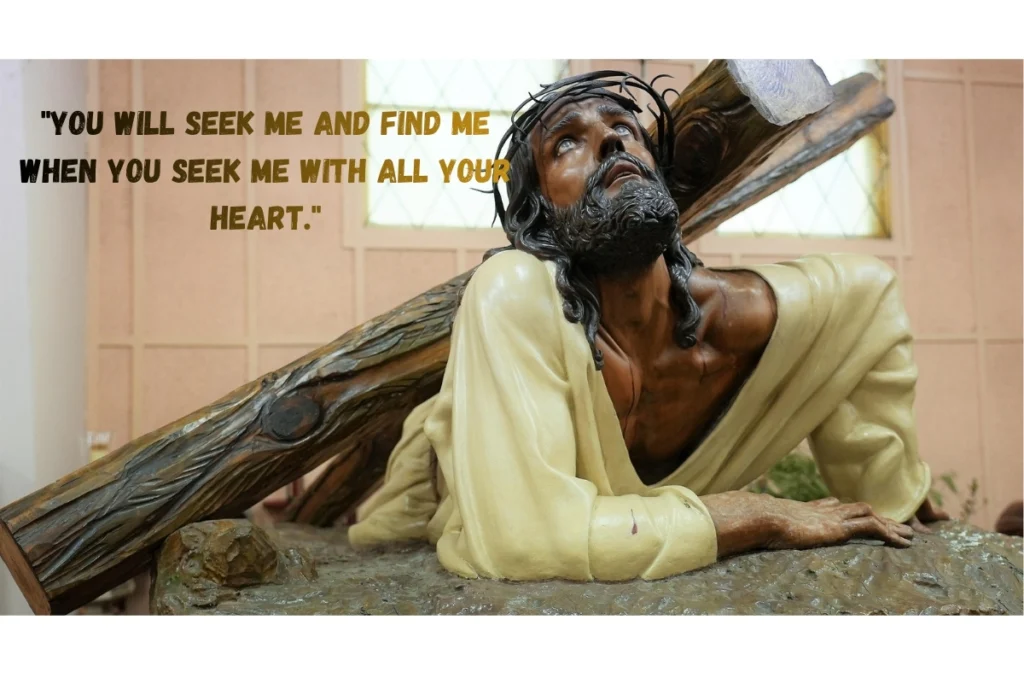
Prayer connects us to God. These Lent scriptures encourage us to seek God’s presence daily.Lent Bible verses remind us that God hears and answers when we call on Him.
Scriptures on Seeking God’s Presence
Jeremiah 29:13 offers an incredible promise:
“You will seek me and find me when you seek me with all your heart.”
God doesn’t hide from those who truly seek Him. When we pursue Him with everything we have, we will find Him. Lent gives us 40 days to practice this wholehearted seeking.
Psalm 42:1-2 expresses spiritual thirst:
“As the deer pants for streams of water, so my soul pants for you, my God. My soul thirsts for God, for the living God. When can I go and meet with God?”
The psalmist longs for God like a deer longs for water. This should be our attitude during Lent. Not obligation, but deep desire. Not duty, but genuine thirst for God’s presence.
Matthew 6:33 sets our priorities straight:
“But seek first his Kingdom and his righteousness, and all these things will be given to you as well.”
When we put God first, everything else falls into place. Seeking the Kingdom of God becomes our top priority. Lent helps us reset our focus on what truly matters.
Deuteronomy 4:29 gives a condition and a promise:
“But if from there you seek the Lord your God, you will find him if you seek him with all your heart and with all your soul.”
Halfhearted seeking doesn’t work. God wants our full attention. Our whole heart. Our entire soul. When we give Him that during Lent, we discover Him in new ways.
Amos 5:4 shares God’s simple command:
“This is what the Lord says to Israel: ‘Seek me and live.'”
Seeking God leads to life. Real life. Eternal life. Abundant life. Lent reminds us that true living comes from knowing God, not from the things of this world.
Verses on the Power of Prayer
1 Thessalonians 5:17 gives the shortest command:
“Pray continually.”
Prayer shouldn’t be just a Lent activity. It should be a constant conversation with God. But during Lent, we can develop stronger prayer habits that last beyond the Lenten season.
Philippians 4:6-7 shows what happens when we pray:
“Do not be anxious about anything, but in every situation, by prayer and petition, with thanksgiving, present your requests to God. And the peace of God, which transcends all understanding, will guard your hearts and your minds in Christ Jesus.”
Prayer brings peace. When we bring our worries to God instead of carrying them alone, He guards our hearts. He protects our minds. This peace is one of the Fruit of the Spirit we cultivate during Lent.
Matthew 7:7-8 encourages persistent prayer:
“Ask and it will be given to you; seek and you will find; knock and the door will be opened to you. For everyone who asks receives; the one who seeks finds; and to the one who knocks, the door will be opened.”
Jesus invites us to ask, seek, and knock. God responds to our prayers. He opens doors. He gives what we need. During Lent, we practice this kind of persistent, confident prayer.
Jeremiah 33:3 contains God’s personal invitation:
“‘Call to me and I will answer you and tell you great and unsearchable things you do not know.'”
God wants us to call on Him. He promises to answer. He will reveal things we never knew. Prayer during Lent can unlock new understanding and spiritual growth.
James 5:16 reveals the effectiveness of prayer:
“Therefore confess your sins to each other and pray for each other so that you may be healed. The prayer of a righteous person is powerful and effective.”
Prayer has real power. When righteous people pray, things happen. Healing comes. Lives change. Lent teaches us to take prayer seriously and expect God to work.
Bible Verses for Lent on the Cross and Sacrifice
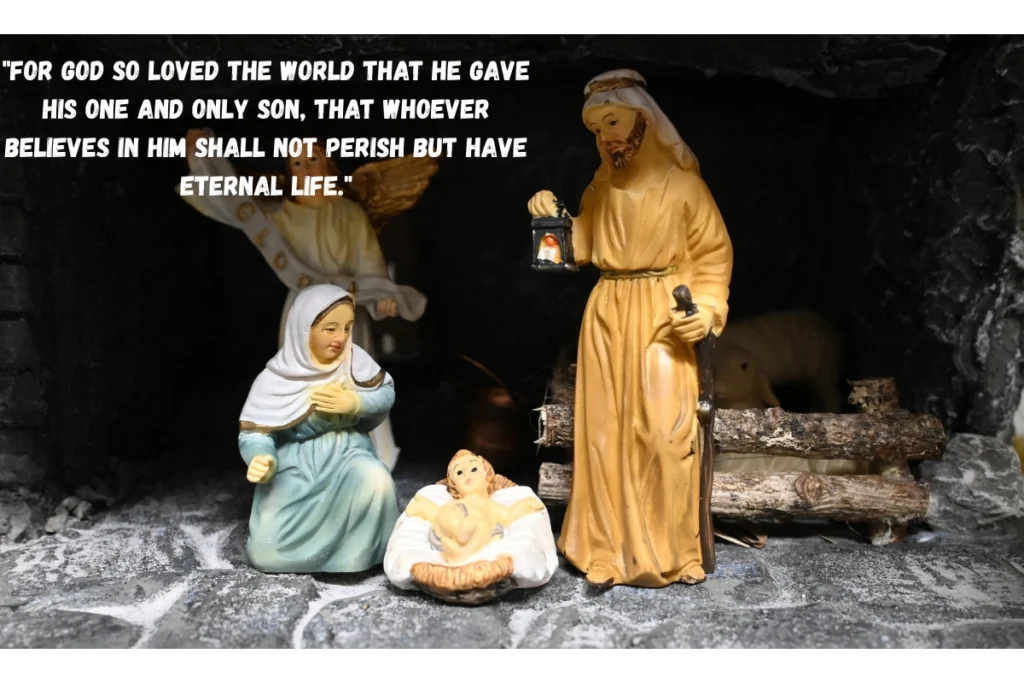
The cross stands at the center of our faith. These Lent Bible verses help us understand Jesus’s sacrifice. They show us the depth of God’s love for us.
The Crucifixion and Christ’s Love
John 3:16 is perhaps the most famous verse in the Bible:
“For God so loved the world that he gave his one and only Son, that whoever believes in him shall not perish but have eternal life.”
This verse captures the whole gospel. God’s love led to Jesus’s sacrifice. And that sacrifice offers eternal life to everyone who believes. During Lent, we reflect deeply on this amazing love.
Romans 5:8 shows the timing of Christ’s death:
“But God demonstrates his own love for us in this: While we were still sinners, Christ died for us.”
Jesus didn’t wait for us to become good. He died while we were still stuck in sin. This is pure grace. This is compassion beyond understanding. Lent helps us grasp how much this cost Him.
1 Peter 2:24 explains what happened on the cross:
“‘He himself bore our sins’ in his body on the cross, so that we might die to sins and live for righteousness; ‘by his wounds you have been healed.'”
Jesus carried our sin. He took our punishment. His suffering brought our healing. This is the heart of Easter preparation—understanding what Jesus did for us.
Isaiah 53:5 prophesied about the crucifixion hundreds of years early:
“But he was pierced for our transgressions, he was crushed for our iniquities; the punishment that brought us peace was on him, and by his wounds we are healed.”
The Old Testament pointed forward to Jesus’s sacrifice. He was pierced. He was crushed. He took our punishment. And through His suffering, we receive peace and healing.
Philippians 2:8 describes Jesus’s humility:
“And being found in appearance as a man, he humbled himself by becoming obedient to death—even death on a cross!”
Jesus chose sacrifice and humility. He could have avoided the cross. Instead, He submitted to God’s plan. His obedience brought our salvation. During Lent, we follow His example of humility and obedience.
Lent Bible Verses on Transformation and New Life
Lent isn’t just about looking back at sin. It’s also about looking forward to new life. These Lent Bible verses for Lent remind us of the resurrection power available to us through Christ.
Scriptures on Spiritual Renewal
2 Corinthians 5:17 promises complete change:
“Therefore, if anyone is in Christ, the new creation has come: The old has gone, the new is here!”
When we belong to Christ, we become new. Our old self dies. A new self emerges. This is the goal of Lent—to let go of the old and embrace the new life God offers.
Romans 12:2 tells us how transformation happens:
“Do not conform to the pattern of this world, but be transformed by the renewing of your mind. Then you will be able to test and approve what God’s will is—his good, pleasing and perfect will.”
Spiritual renewal starts in our minds. As we read Scripture, pray, and reflect during Lent, our thinking changes. We stop acting like the world. We start thinking like Christ.
Ezekiel 36:26 shows God’s work in us:
“I will give you a new heart and put a new spirit in you; I will remove from you your heart of stone and give you a heart of flesh.”
We can’t change our own hearts. Only God can do this. He removes our hardness. He gives us soft, responsive hearts. Lent is a time to ask for this kind of spiritual renewal.
Colossians 3:10 describes ongoing change:
“And have put on the new self, which is being renewed in knowledge in the image of its Creator.”
Becoming like Christ is a process. We’re constantly being renewed. Every day during Lent and beyond, God works to make us more like Him. This is spiritual growth in action.
Titus 3:5 credits God for our renewal:
“He saved us, not because of righteous things we had done, but because of his mercy. He saved us through the washing of rebirth and renewal by the Holy Spirit.”
Our salvation comes from God’s mercy, not our efforts. The Holy Spirit washes us clean. He renews us from the inside out. During Lent, we celebrate this gift of grace.
How to Use These Lent Bible Verses in Your Daily Devotion
Having these Lent Bible verses is wonderful. But how do we actually use them? Here are practical ways to make these Bible verses for Lent part of your daily life.
Creating a Lenten Devotional Practice
Choose one verse per day for meditation. With Lent Bible verses in this article, you have more than enough for the 40 days of Lent. Pick one each morning. Write it on a card. Keep it with you all day. Think about it during breaks.
Memorize key Lent scriptures. Some Lent Bible verses will speak to you more than others. Memorize those. Hide them in your heart. When temptation comes or doubts arise, you’ll have God’s Word ready in your mind.
Share Lent Bible verses with family or small groups. Lent doesn’t have to be a solo journey. Share what you’re learning. Discuss these Lenten Bible verses with others. Ask what they see in the Scriptures. Learn together.
Practical Ways to Reflect on Lent Scripture
Morning devotions with Lent Bible verses. Start each day with God’s Word. Before checking your phone or starting work, read one of these Lent Bible verses . Let it set the tone for your day.
- Fasting combined with Scripture reading. When you feel hungry during a fast, open your Bible. Let God’s Word feed your soul. Remember Matthew 4:4—we need every word from God’s mouth.
- Lectio Divina (divine reading) practice. This ancient method involves reading a passage slowly multiple times. First, read for content. Second, read for personal meaning. Third, read as prayer. Finally, rest in God’s presence. Try this with any of these Lent Bible verses.
- Creating art or journaling based on verses for Lent. Are you artistic? Draw or paint what a verse means to you. Are you a writer? Journal about how it applies to your life. Engage with Scripture creatively during this Lenten season.
Holy Week Bible Verses: The Final Journey to Easter
As Lent draws to a close, we enter Holy Week. These final Lent Bible verses walk us through the last days of Jesus’s earthly ministry. From Palm Sunday to the resurrection, these verses tell the greatest story ever told.
Palm Sunday Through Good Friday
Zechariah 9:9 prophesied Jesus’s entry into Jerusalem:
“Rejoice greatly, Daughter Zion! Shout, Daughter Jerusalem! See, your king comes to you, righteous and victorious, lowly and riding on a donkey, on a colt, the foal of a donkey.”
Hundreds of years before it happened, the Old Testament predicted Jesus would enter Jerusalem on a donkey. This wasn’t a war horse. It was a sign of peace and humility. Jesus came not as a conquering king, but as a humble servant.
Luke 19:38 records what the crowds shouted:
“‘Blessed is the king who comes in the name of the Lord!’ ‘Peace in heaven and glory in the highest!'”
The people recognized Jesus as king. They shouted praises. But within days, many of these same people would call for His death. Holy Week shows both the heights of human worship and the depths of human betrayal.
Luke 22:19-20 describes the Last Supper:
“And he took bread, gave thanks and broke it, and gave it to them, saying, ‘This is my body given for you; do this in remembrance of me.’ In the same way, after the supper he took the cup, saying, ‘This cup is the new covenant in my blood, which is poured out for you.'”
At this final meal with His disciples, Jesus established a new covenant. His body would be broken. His blood would be shed. He knew what was coming. Yet He continued forward out of love for us. During Holy Week, we remember this sacrifice.
Luke 23:34 shows Jesus’s compassion even on the cross:
“Jesus said, ‘Father, forgive them, for they do not know what they are doing.’ And they divided up his clothes by casting lots.”
Even while dying, Jesus asked God to forgive those killing Him. This is love beyond measure. This is grace we can’t comprehend. Good Friday reminds us that forgiveness cost Jesus everything.
Luke 23:46 records Jesus’s final words:
“Jesus called out with a loud voice, ‘Father, into your hands I commit my spirit.’ When he had said this, he breathed his last.”
Jesus died trusting His Father completely. He surrendered His spirit. The crucifixion looked like defeat. But it was actually victory over death. Through His death, Jesus conquered sin once and for all.
But the story doesn’t end at the cross. Luke 24:1-6 tells us what happened three days later:
“On the first day of the week, very early in the morning, the women took the spices they had prepared and went to the tomb. They found the stone rolled away from the tomb, but when they entered, they did not find the body of the Lord Jesus. While they were wondering about this, suddenly two men in clothes that gleamed like lightning stood beside them. In their fright the women bowed down with their faces to the ground, but the men said to them, ‘Why do you look for the living among the dead? He is not here; he has risen!'”
The resurrection! This is why Lent ends in celebration. Jesus didn’t stay dead. He rose! He conquered death itself. Easter celebrates this victory over death and the promise of eternal life for all who believe.
Frequently Asked Questions About Lent Bible Verses
What are the most important Bible verses for Lent?
The most important Lent Bible verses focus on repentance, fasting, prayer, and Jesus’s sacrifice. Key verses include:
- Matthew 4:1-11 (Jesus’s 40 days in the wilderness)
- Joel 2:12-13 (return to God with fasting and a rent heart)
- Psalm 51:10 (create in me a clean heart)
- Isaiah 58:6 (true fasting includes justice and compassion)
- John 3:16 (God’s love demonstrated through Christ)
These verses capture the essence of Lent—turning from sin, seeking God, and preparing our hearts for Easter.
Is Lent mentioned in the Bible?
Lent as a specific 40-day observance is not mentioned in the Bible. However, the practice is based on biblical events. Jesus spent 40 days in the wilderness fasting and being tempted by Satan before beginning His ministry (Matthew 4:1-11, Mark 1:12-15, Luke 4:1-13).
The Bible also mentions other significant 40-day periods: Moses on Mount Sinai for 40 days, Elijah’s 40-day journey, and 40 days between Jesus’s resurrection and ascension. While the disciples and early church didn’t observe Lent as we know it, the tradition grew from these biblical foundations.
How many Lent verses should I read daily?
There’s no strict rule about how many Bible verses for Lent to read each day. Here are some practical approaches:
- One verse for deep meditation: Choose a single Lent scripture and spend 15-30 minutes reflecting on it. Write about it. Pray through it. Let it sink deep into your heart.
- A small section (3-5 verses): Read a short passage that tells a complete story or teaches a full concept. This gives context while remaining manageable.
- A chapter per day: If you want more extensive Bible reading, commit to one chapter daily from the Gospels or other books.
- Follow a reading plan: Many churches provide Lenten devotionals or daily Bible readings that guide you through specific passages during the 40 days of Lent.
The key is consistency, not quantity. Reading one verse every day with real reflection beats reading many verses with no time to think about them.
What Bible verses are read during Lent at church?
Many churches follow the Revised Common Lectionary, which assigns specific Scripture readings for each Sunday of Lent. These typically include readings from the Old Testament, Psalms, Epistles (letters in the New Testament), and Gospels. If you are interested to reading Bible Verses About Loss then must visit our page.
Common themes for each Sunday include:
First Sunday of Lent: Jesus’s temptation in the wilderness Second Sunday of Lent: God’s covenant and promises Third Sunday of Lent: God’s provision and living water Fourth Sunday of Lent: Light and sight; seeing God clearly Fifth Sunday of Lent: New life and resurrection hope
Holy Week includes specific readings for:
- Palm Sunday: Jesus’s entry into Jerusalem
- Maundy Thursday: The Last Supper
- Good Friday: The crucifixion
- Easter Sunday: The resurrection
Different denominations may use slightly different readings, but most focus on Jesus’s journey to the cross and the resurrection. Check with your local church for their specific Lenten Scripture schedule. If you are interested to reading Bible Verses About Helping then must visit our page.
Let These Lent Bible Verses Guide Your Journey to Easter
We’ve journeyed through 45 powerful Lent Bible verses together. Each one offers something unique. Some verses call us to repentance. Others promise God’s forgiveness. Some teach us about fasting. Others show us how to pray.
These Lenten scriptures aren’t meant to overwhelm you. They’re meant to guide you. They’re meant to encourage you. They’re tools for spiritual growth during this sacred season.Lent is more than giving up chocolate or social media. It’s about drawing closer to God. It’s about examining our hearts. It’s about preparing ourselves to celebrate the resurrection of Jesus Christ.
Start today. Pick one verse from this list. Write it down. Think about it. Ask God to speak to you through His Word. That’s how the journey begins—one verse, one day, one step at a time.The 40 days of Lent lead us to Easter. They lead us through reflection and repentance to celebration and joy. They take us from the wilderness of temptation to the empty tomb of victory.
Remember, the goal of Lent isn’t to earn God’s love. You already have that. The goal is to grow in your awareness of His love. To understand more fully what Jesus did on the cross. To prepare your heart to celebrate His resurrection.May these Lent Bible verses bless you deeply. May they help you reflect, grow, and change. And may they lead you to a powerful Easter celebration filled with hope, peace, and joy in the risen Christ.